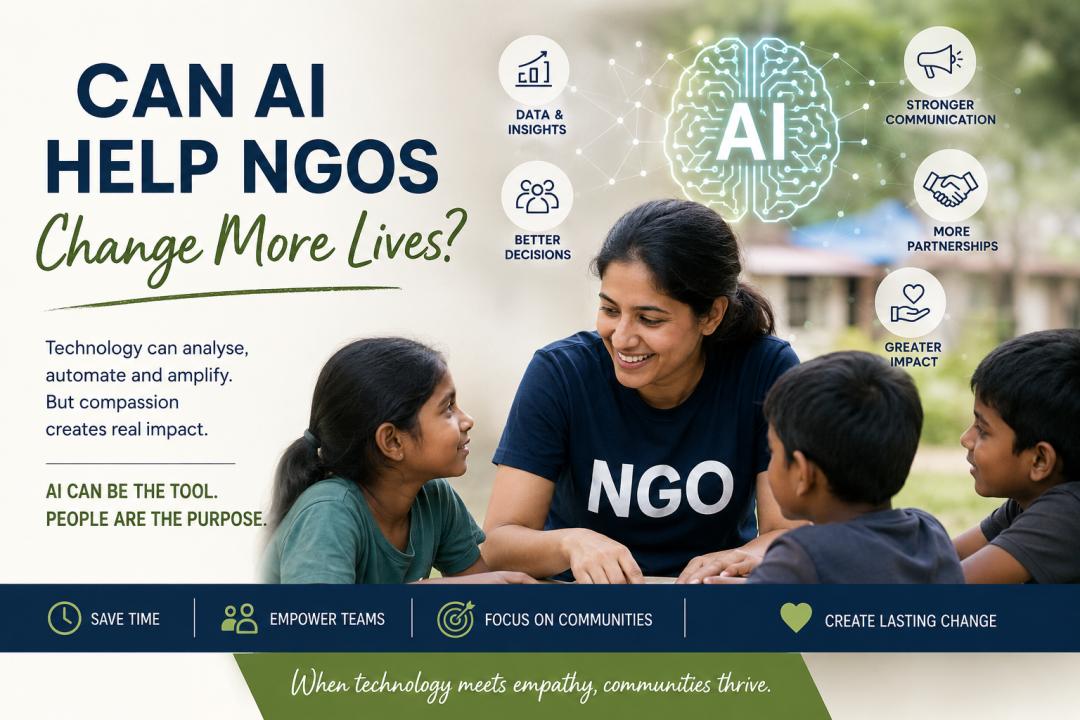
Can AI Help NGOs Change More Lives?
02 September 2026

Unveiling Fugitive Emissions: Discover the Hidden Threat to Our Environment. Learn about the sources, impacts, and solutions to mitigate this environmental challenge. Stay tuned for an eye-opening blog coming soon! #FugitiveEmissions #EnvironmentalImpact #ClimateChangeAwareness

Discover how Mauritius, a small island nation in the Indian Ocean, is revolutionizing waste management and embracing sustainability. Explore the staggering facts and figures behind the country's waste generation, landfill challenges, recycling initiatives, composting programs, plastic waste management, and renewable energy projects. Join us on a journey to witness Mauritius' remarkable progress in transforming waste into a valuable resource, paving the way for a greener and more sustainable future.
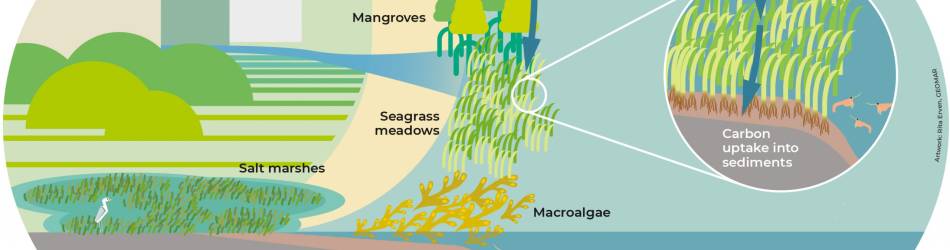
Dive into the captivating world of blue carbon in Mauritius, where the ocean's hidden secret holds immense climate change-fighting potential. Discover the staggering facts and untapped potential of coastal ecosystems such as mangroves, seagrasses, and tidal marshes in capturing and storing carbon. Uncover how Mauritius is leading the charge in harnessing these "blue carbon" habitats, mitigating climate change, preserving biodiversity, and ensuring the resilience of coastal communities. Embark on a journey to unveil the remarkable power of blue carbon in Mauritius and witness nature's silent hero in the fight against global warming.

Embark on a captivating journey through time as we unveil the rich and mystical history of yoga. Discover the ancient roots of this transformative practice, tracing its origins back thousands of years to the ancient civilizations of India. Delve into the profound wisdom of yogic philosophy, explore the evolution of yoga's various paths and traditions, and witness how this sacred discipline has transcended generations and continents. Join us as we unravel the timeless wisdom and profound significance of yoga, unlocking its secrets and understanding its enduring impact on mind, body, and spirit. Get ready to dive into the depths of history and embrace the transformative power of yoga.