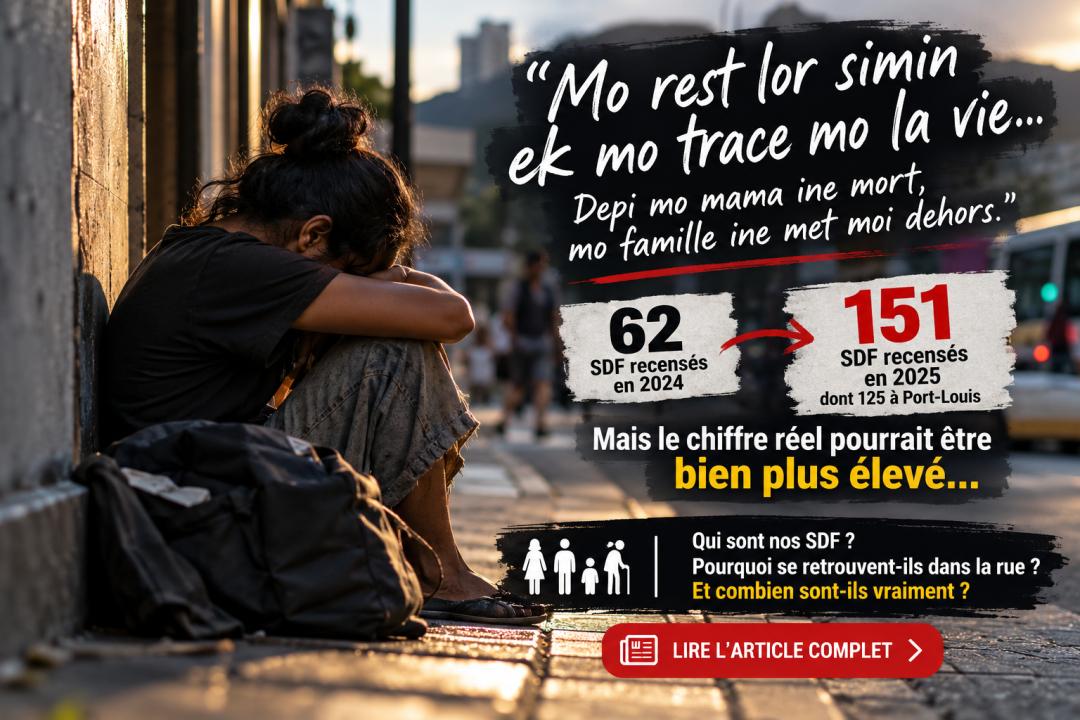
SDF à Maurice : « Mo rest lor simin ek mo trace mo...
07 October 2026
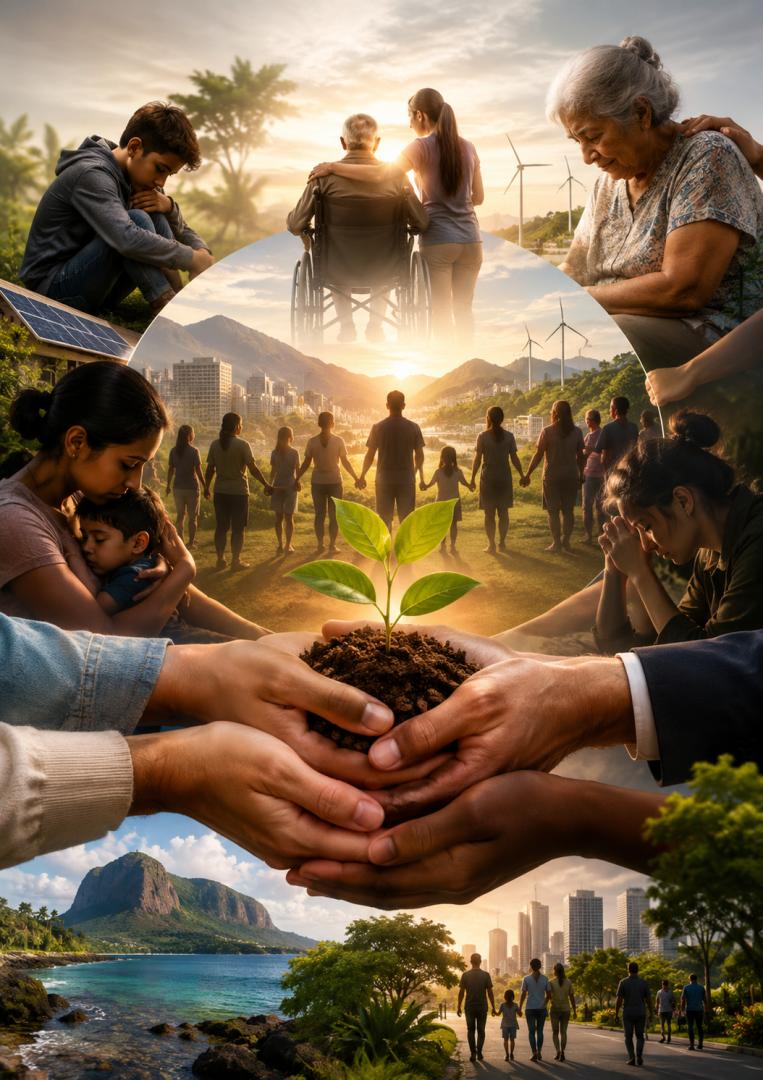
Now imagine the opposite.
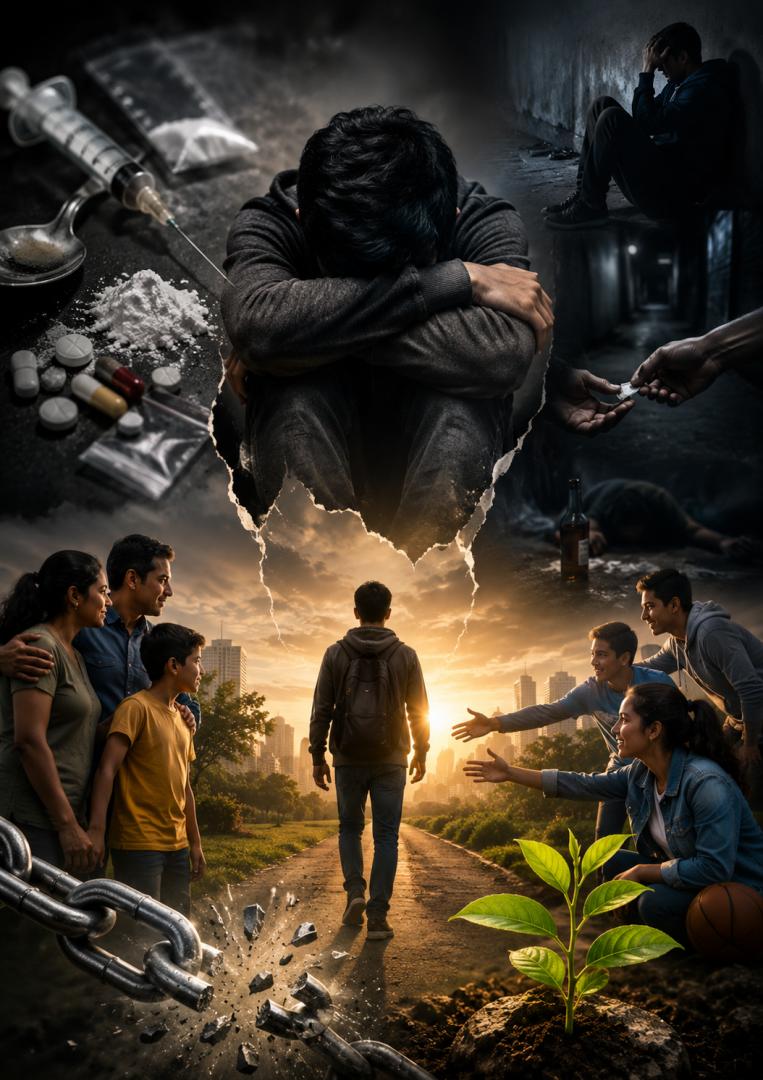
A Mauritius where loneliness among the elderly continues to grow, where substance abuse affects more young people, where mental health struggles remain hidden, and where vulnerable families face their challenges alone.
Which future we experience depends on how we respond to the social problems around us today.
Social problems are often viewed as issues affecting "other people." We see them in the news, hear about them in our communities, and discuss them in meetings, yet many of us fail to realise that these challenges are interconnected and ultimately affect us all.
A social problem is any condition that negatively impacts individuals, families, communities, or society as a whole. Poverty, youth unemployment, mental health challenges, substance abuse, domestic violence, elder abuse, social isolation, educational inequality, and environmental degradation are all examples of social problems. While they may appear different, they are often linked by common factors such as exclusion, lack of opportunity, insufficient support systems, and growing social vulnerabilities.
Mauritius, despite being recognised as one of Africa's success stories, is not immune to these challenges. Behind our economic achievements are communities facing increasing social pressures. The country is experiencing significant demographic changes, including a rapidly ageing population. Today, nearly one in five Mauritians is aged 60 years or older, and this proportion is expected to increase substantially over the coming decades.
At the same time, many families are facing financial pressures, changing family structures, and growing mental health concerns. Communities are also confronting challenges related to substance abuse, social isolation, and environmental sustainability. These issues are not isolated incidents. They are indicators of broader societal changes that require collective attention and action.
The reality is that social problems do not stay confined to one household, one neighbourhood, or one social group. When a young person drops out of school, society loses potential talent. When an elderly person experiences neglect, the values of dignity and respect are weakened. When a family struggles in silence, the consequences often extend beyond the home and into the wider community.
This is why social development matters.
A strong society is not measured solely by economic growth, modern infrastructure, or technological advancement. It is measured by the wellbeing of its people. It is measured by how effectively it protects the vulnerable, empowers the disadvantaged, and creates opportunities for everyone to contribute meaningfully to society.
This is where Non-Governmental Organisations (NGOs) play a critical role.
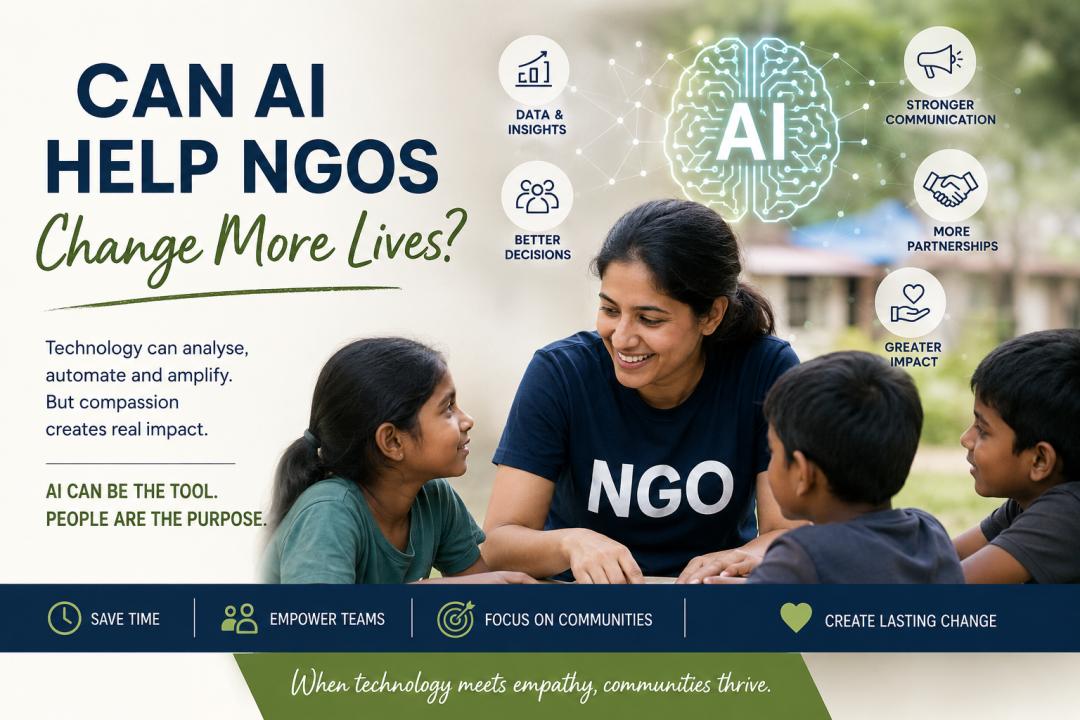
NGOs often serve as the bridge between community needs and practical solutions. They work directly with people facing challenges, identify emerging issues, raise awareness, advocate for change, and develop programmes that improve lives. They reach communities that may otherwise remain unheard and help transform social concerns into meaningful action.
Whether supporting vulnerable families, empowering elderly citizens, protecting the environment, promoting mental health, or creating opportunities for young people, NGOs contribute significantly to building stronger and more resilient communities.
However, NGOs cannot solve social problems alone.
The private sector also has a vital role to play.
Businesses are increasingly recognising that their success is closely linked to the wellbeing of the communities in which they operate. A healthy society creates a stronger workforce, more stable markets, and greater opportunities for sustainable growth. Through Corporate Social Responsibility initiatives, employee volunteering, community investments, and strategic partnerships, companies can become powerful drivers of positive social change.
The most successful organisations today understand that creating value goes beyond generating profit. It also means creating social impact.
When NGOs and businesses collaborate, remarkable things can happen. Communities gain access to resources, expertise, networks, and opportunities that neither sector could provide alone. Such partnerships create innovative solutions, strengthen social cohesion, and generate sustainable impact that extends far beyond individual projects.
Yet the responsibility does not rest solely with organisations.
Every citizen has a role to play.
Social change begins with awareness. It grows through compassion and is sustained through action. Whether volunteering a few hours, supporting a community initiative, mentoring a young person, checking on an elderly neighbour, or contributing professional skills to a social cause, every action matters.
The future of Mauritius will not be shaped solely by government policies or economic indicators. It will be shaped by the choices we make as individuals, organisations, and communities.
The question is not whether social problems affect us.
They do.
The question is whether we choose to be part of the problem, part of the solution, or simply a spectator.
The strongest societies are not those without challenges. They are those where people come together to face those challenges collectively.
As Mauritius continues its journey towards sustainable development, the path forward requires partnership, compassion, and shared responsibility. Because when one member of society struggles, we are all affected. And when we lift others, we strengthen the nation as a whole.
Social problems are everyone's business. The future of Mauritius depends on how we respond to them today.