Can AI Help NGOs Change More Lives?
02 September 2026
Mauritius is often celebrated as one of Africa's most stable and prosperous economies. But behind the postcard image of turquoise waters and tropical sunsets, a quieter struggle is unfolding. One that millions of women on this island know all too well.
Where Things Stand:
As of February 2024, only 20% of seats in parliament were held by women in Mauritius. Women and girls aged 10 and older spend 19% of their time on unpaid care and domestic work, compared to just 4.8% spent by men.
Despite unemployed women being generally more qualified than their male counterparts, there are still more unemployed women than men and among employees in large establishments, 61% are male.
These numbers tell a story that many Mauritian women live every day: talent and qualifications are not enough when structural barriers remain in place.
A History of Progress and Its limits:
Key milestones mark the path: in the 1980s, women gained the right to open bank accounts without their husband's consent. By 1999, amendments established marital regimes more sensitive to women's rights. Progress has been real but slow, and uneven.
The Protection from Domestic Violence Act has not succeeded in curbing gender-based violence, and around 24% of women in Mauritius have experienced some form of violence in their lifetime.
More Than a Quota:
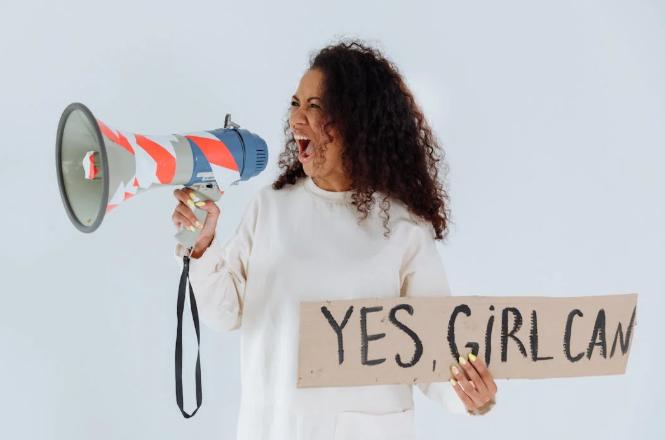
In 2024, advocates launched "Plis Ki Enn Kota" (More Than a Quota), a petition calling for greater representation of women in Mauritian politics because despite 56 years of independence, Mauritius remains far from achieving gender parity in parliament and government.
The name says it all. Representation isn't just about filling seats. It's about changing the systems, the conversations, and the decisions that shape people's lives.
A Global Moment:
This conversation is happening everywhere. In April 2026, the Melbourne Declaration for Gender Equality was launched at the Women Deliver Conference, outlining a bold shared vision for gender equality and warning that hard-won progress is at risk under the global rise of authoritarianism.
Mauritius is part of this global story. The challenges here, underrepresentation, unpaid labour, gender-based violence are not unique to this island. They are the unfinished business of a world still learning what equality actually means.
So, the next time someone tells you gender equality is "already there" — ask them to look at the numbers again.
For more information, please have a look here: